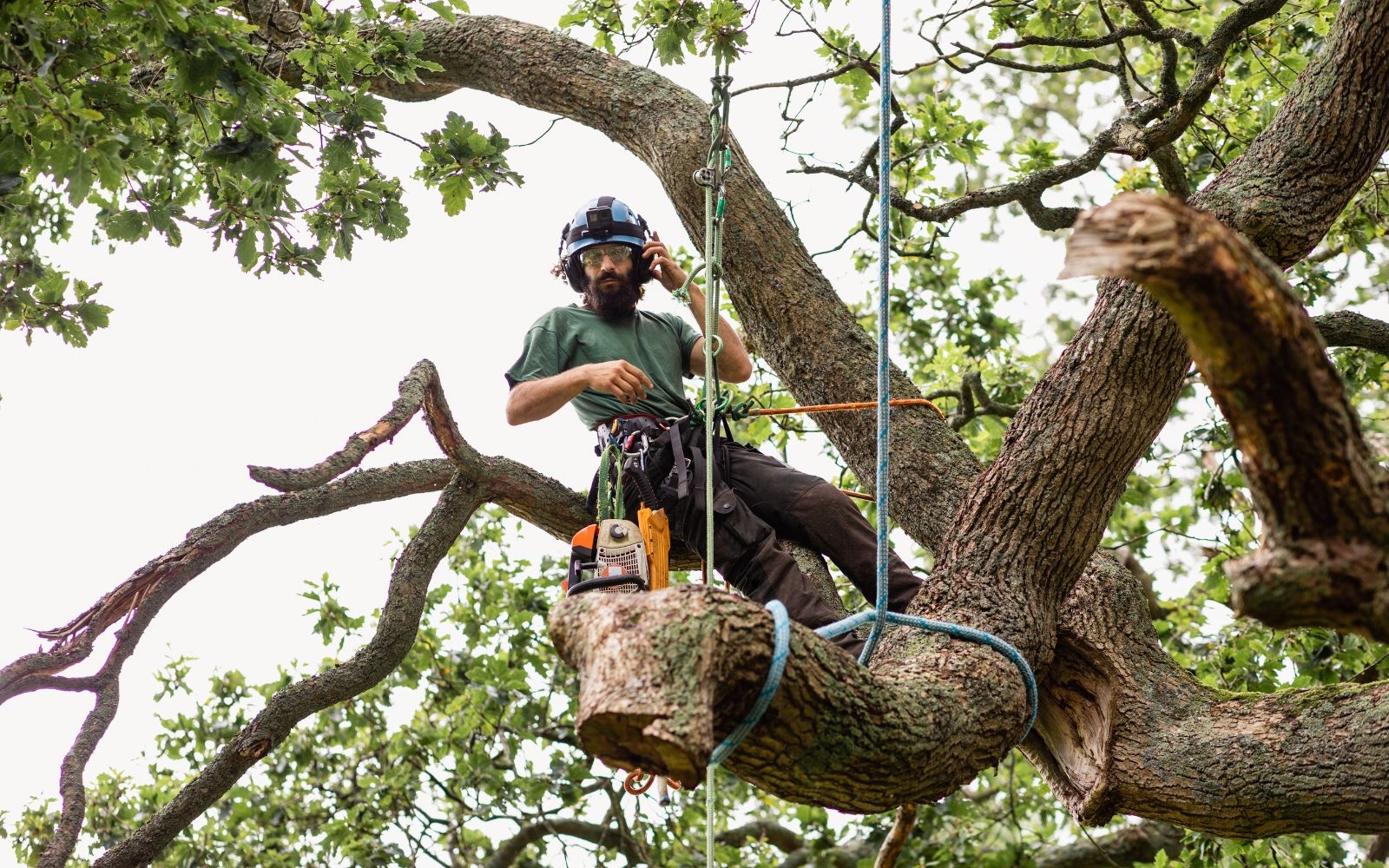
Tree Removal services by qualified staff for safe removal of trees of any size.
Tree Pruning services to enhance tree health, aesthetics, and property safety.
Tree Lopping, Cutting, and Removal for large or hazardous branches and trees.
Palm Tree Removal including stumps, fronds, leaves, seeds, and fruit.
Hedge Pruning for neat, attractive, and safe hedge growth.
Land Clearing for residential, commercial, and agricultural areas, including large-scale projects.
Block and Land Clearing for property preparation, construction, or landscaping.
Stump Grinding with modern machinery to remove all traces of tree stumps.
Commitment to protecting property and surrounding areas during tree services.
Trusted location at Unit 9/169 Beavers Rd, Northcote VIC 3070, serving Melbourne homeowners and businesses.
Use of modern, high-quality equipment and safety gear for all tree care operations.
Comprehensive insurance coverage for all services, ensuring client peace of mind.
Identification of hazards including overgrown branches, storm damage, proximity to cables, and invasive roots.
Professional handling of pest infestations and excessive or misdirected tree growth.
Efficient, experienced, and results-driven service for timely project completion.
Free, obligation-free quotes to help clients make informed decisions.
Personalized consultation and guidance to address tree and garden concerns.
Service coverage across all Melbourne suburbs including North Melbourne, South Melbourne, Port Melbourne, East Melbourne, West Melbourne, Albert Park, Middle Park, St Kilda, Windsor, Prahran, Richmond, Brunswick, Northcote, Fitzroy, Hawthorn, and Sunshine.
Dedicated team focused on maintaining Melbourne’s natural beauty and garden safety.
Expert advice on tree health, maintenance, and property improvement.
Palm tree shaping services are essential for maintaining the health, aesthetics, and safety of these iconic trees. Whether adorning a residential landscape or enhancing a commercial property, well-maintained palm trees can significantly boost curb appeal and create a tropical ambiance. These services typically involve the strategic trimming and pruning of palm fronds to promote healthy growth, prevent disease, and minimize hazards posed by falling fronds or overgrowth.
Regular shaping is crucial because palm trees, unlike other trees, do not heal from wounds. Improper trimming can lead to long-term damage or even the death of the tree. Professional arborists are trained to identify which fronds should be removed and which should remain to ensure the tree's vitality. They also have the expertise to manage the specific needs of different palm species, each with its own growth patterns and requirements.
In addition to health benefits, palm tree shaping enhances the tree's structural integrity. By removing dead or excess fronds, the tree becomes less susceptible to wind damage, particularly in storm-prone areas. This preventive measure not only protects the tree but also reduces the risk of property damage and injury to people nearby.
Furthermore, these services are vital for maintaining the tree's aesthetic appeal. A well-shaped palm tree can serve as a striking focal point in any landscape design. Professional shaping ensures that the tree retains its natural beauty while complementing the surrounding environment.
Overall, investing in professional palm tree shaping services ensures that these majestic trees remain healthy, safe, and visually appealing for years to come. Stump grinding is another essential service we provide, ensuring that leftover stumps are thoroughly removed to prevent regrowth, pests or safety hazards. Additionally, we specialise in palm tree removal and cleanup, handling fronds, seeds and palm waste with care. Melbourne Tree Removal Experts is a trusted provider of professional tree services across Melbourne and surrounding suburbs. With a qualified and experienced team, we specialise in safe, efficient and affordable solutions for all types of tree care needs. Whether you require complete tree removal, detailed pruning, hedge shaping or large-scale land clearing, our experts are equipped with modern machinery and industry-standard safety gear to deliver outstanding results. Melbourne Tree Removal Experts Our comprehensive service range includes tree removal for trees of any size or condition, ensuring the safety of your property and the surrounding environment. We also offer expert tree pruning to improve tree health, encourage strong growth and enhance the overall appearance of your landscape. For properties that require extensive preparation, our land-clearing services cover residential, commercial and agricultural sites. We have the heavy-duty equipment needed for larger projects, from clearing shrubs to removing mature trees.. Our hedge trimming services keep your garden looking neat, healthy and beautiful year-round. Melbourne Tree Removal Experts Melbourne’s unique landscape makes proper tree care essential. Overgrown or unhealthy trees can create risks such as pest infestations, fire hazards, storm damage or interference with power lines and underground utilities. Signs your trees may need attention include branches touching your home, dead or diseased growth, storm damage, roots encroaching on structures or excessive growth in unwanted directions.. Whether for residential or commercial purposes, well-maintained palm trees can enhance any outdoor space, providing both functional and aesthetic benefits.
Palm tree shaping is an essential service for maintaining the health and aesthetics of these iconic plants. This process involves the careful trimming and pruning of palm fronds, which not only enhances the tree's appearance but also promotes its overall health. By removing dead or dying fronds, we prevent the spread of diseases and pests that could potentially harm the tree. Additionally, proper shaping helps in managing the tree's growth, ensuring it doesn't become overgrown or unbalanced.
One of the primary benefits of palm tree shaping is its contribution to the tree's longevity. Regular maintenance helps in identifying and addressing issues early on, which can prevent costly treatments or even tree removal in the future. Furthermore, well-shaped palms can significantly enhance the curb appeal of a property, making them a popular choice for homeowners and businesses alike.
Safety is another crucial aspect of palm tree shaping. Overgrown fronds can become hazardous, especially during storms, posing a risk to people and property. By keeping the tree well-maintained, these risks are minimized. Moreover, a professionally shaped palm tree can provide a neat and tidy look, complementing the landscape design and creating a welcoming atmosphere.
In essence, palm tree shaping is not just about aesthetics; it's an investment in the tree's health and the safety of its surroundings. Whether you're a homeowner looking to boost your property's appeal or a business aiming to maintain a pristine outdoor space, professional palm tree shaping services offer numerous benefits that go beyond mere appearance.
Coconut palms are iconic for their tall, slender trunks and lush, feather-like fronds. These palms require regular shaping to maintain their health and appearance. Dead or diseased fronds should be removed to prevent pest infestations and encourage new growth. Additionally, trimming helps prevent the risk of falling coconuts, which can be hazardous. Proper shaping also enhances sunlight penetration and air circulation, crucial for the tree's overall vitality.
Royal palms are known for their majestic stature and smooth, gray trunks. Shaping these palms involves removing dead fronds and any flower stalks to maintain their clean appearance. It's essential to trim the lower fronds as they age and turn brown, ensuring the tree retains its regal look. Regular maintenance helps prevent nutrient competition and supports the healthy growth of the upper canopy. This upkeep also reduces the likelihood of pest infestations.
Fan palms are characterized by their broad, fan-shaped leaves that require specific shaping techniques. Regular trimming of the lower fronds is necessary to prevent the buildup of old, dry leaves that can harbor pests and diseases. Removing these fronds also enhances the tree's aesthetic appeal and encourages robust growth. Additionally, shaping helps maintain a balanced canopy, reducing wind resistance and minimizing storm damage risks.
Date palms, with their distinctive, arching fronds, need careful shaping to manage their fruit production. Pruning excess fruit clusters is vital to prevent overburdening the tree and to ensure the remaining fruits develop fully. Shaping also involves removing dead fronds and old fruit stalks to maintain the tree's health and appearance. Regular maintenance supports optimal sunlight exposure and air circulation, which are crucial for the tree's productivity.
Pygmy palms are popular for their compact size and delicate, feathery fronds. These palms require precise shaping to maintain their ornamental appeal. Pruning should focus on removing any yellowing or damaged fronds to enhance the tree's appearance. Regular trimming helps promote a neat, symmetrical canopy, which is essential for their role in landscaping. Proper shaping also prevents the onset of diseases and pest issues, ensuring the tree remains healthy and vibrant.
To achieve the ideal silhouette for your palm trees, understanding the essential tools and techniques is crucial. For starters, having the right equipment can make all the difference. A pair of sharp pruning shears is a must for trimming smaller fronds, while a sturdy pole saw is essential for reaching higher branches without the need for a ladder. For thicker foliage, a chainsaw might be necessary, but it should be used with caution to avoid damaging the tree.
Start by cutting the fronds at a 45-degree angle, as close to the trunk as possible, without damaging it. This helps in promoting a clean and healthy cut, minimizing the risk of disease. It's also advisable to remove seed pods and flowers, which can drain the tree's energy and lead to unwanted growth.
Key Safety Equipment:
Safety gear is equally important. A hard hat, gloves, and safety glasses will protect you from falling debris and sharp edges. Additionally, having a stable ladder and possibly a harness can ensure your security while working at heights.
When it comes to techniques, the first step is to identify which fronds need removal. Typically, brown and dead fronds should be pruned to maintain the tree's health and appearance. However, it's important not to over-prune, as removing too many green fronds can stress the tree and affect its growth.
By following these guidelines, you can ensure that your palm trees not only look aesthetically pleasing but also remain healthy and robust. Whether you're a professional or a keen gardener, mastering these tools and techniques will significantly enhance your palm tree shaping skills.
Hiring professional services for palm tree shaping offers numerous advantages that go beyond mere aesthetics. First and foremost, professional arborists have the expertise and training to ensure that palm trees are pruned in a way that promotes healthy growth while maintaining their natural beauty. Unlike DIY efforts, which can sometimes lead to improper cuts and long-term damage, professionals understand the specific needs of different palm species and employ techniques that enhance their vitality.
Safety is another critical factor. Palm tree shaping often involves working at heights and using specialized equipment, which can be hazardous for untrained individuals. Professionals are equipped with the right tools and safety gear to perform the job efficiently and safely, minimizing the risk of accidents or injuries. This is particularly important if your palm trees are located near power lines or other structures.
Moreover, hiring experts can save you time and effort. Shaping a palm tree is not a quick task, especially if you're unfamiliar with the process. By entrusting this to a professional service, you can focus on other priorities while ensuring the job is done correctly. Additionally, many companies offer maintenance plans, allowing for regular shaping and care, which can extend the lifespan of your palms and keep them looking their best year-round.
Lastly, professional services can provide valuable advice on the overall health of your palm trees, including pest control and nutrient management. This holistic approach ensures that your palms are not only well-shaped but also healthy and thriving, adding both beauty and value to your property. In conclusion, the investment in professional palm tree shaping services is a wise choice for those seeking quality, safety, and peace of mind.
When selecting a professional for palm tree shaping, it's crucial to consider several key factors to ensure the health and aesthetics of your trees. First and foremost, verify the credentials and experience of the service provider. A certified arborist or a professional with specialized training in palm tree care can offer expert insights and techniques that enhance the beauty and longevity of your trees.
Important Considerations:
Next, evaluate their reputation and customer feedback. Online reviews and testimonials from previous clients can provide valuable information about their reliability and quality of service. It's beneficial to choose a professional with a proven track record of satisfied customers and successful projects.
Another critical aspect is their understanding of local climate and soil conditions. A professional familiar with your area's specific environmental factors can make informed decisions about the best shaping techniques and care practices for your palm trees. This knowledge ensures your trees remain healthy and resilient throughout the year.
Additionally, inquire about the tools and equipment they use. Modern, well-maintained tools can significantly affect the efficiency and safety of the shaping process. Professionals who invest in high-quality equipment are often more committed to delivering superior results.
Finally, consider the cost and the scope of services offered. Obtain detailed quotes from multiple providers to compare pricing and included services. While affordability is important, it's essential to balance cost with quality to ensure your palm trees receive the best possible care.
By taking these factors into account, you can select a palm tree shaping professional who will enhance the beauty and health of your landscape, providing peace of mind and satisfaction with their service.
Regular maintenance and follow-up care are essential for ensuring the health and longevity of palm trees. Palm trees, like any other plant, require consistent attention to thrive in their environment. One of the main reasons for regular maintenance is to prevent the accumulation of dead fronds and debris, which can harbor pests and diseases. Removing these promptly not only enhances the tree's appearance but also reduces the risk of infestations that could compromise the tree's health.
Furthermore, regular maintenance allows for the early detection of any potential problems. By routinely inspecting your palm trees, you can identify signs of nutrient deficiencies, such as yellowing leaves, or the presence of pests like palm weevils or spider mites. Early intervention can prevent these issues from escalating, saving you time and money in the long run.
Follow-up care is equally important after professional shaping services. Once your palm trees have been trimmed and shaped, ongoing care will help maintain their health and aesthetic appeal. This includes ensuring they receive adequate water, especially during dry periods, and applying appropriate fertilizers to meet their nutritional needs.
Engaging with a professional palm tree service can provide peace of mind, as these experts have the knowledge and experience to carry out maintenance tasks safely and effectively. They can tailor a care plan specific to the species of palm and the local climate conditions, ensuring that your trees remain a vibrant and healthy part of your landscape. By prioritizing regular maintenance and follow-up, you can enjoy the beauty and benefits of healthy palm trees for years to come.
Shaping palm trees is an art that demands both expertise and precision. One of the primary challenges in this task is managing the unique growth patterns of various palm species. Unlike regular trees, palms grow from a single point at the top, known as the crown. This growth characteristic requires careful handling to ensure the tree remains healthy and aesthetically pleasing. Professionals address this by using specialized tools and techniques that allow for precise cuts without damaging the central growth point.
Key Challenges in Palm Tree Shaping:
Another common challenge is the height and accessibility of palm trees, which can make shaping a daunting task. Professionals often use advanced equipment like cherry pickers or climbing gear to safely reach the upper fronds. Safety is paramount, and experts are trained to navigate these heights while maintaining control over the tools they use, ensuring both their safety and the tree's integrity.
In addition, palm trees are susceptible to diseases and pests, which can complicate shaping efforts. Professionals are adept at identifying early signs of issues such as fungal infections or insect infestations. They employ preventative measures and treatments to protect the tree's health before commencing any shaping activities. This proactive approach not only preserves the tree's health but also enhances its appearance.
Furthermore, the aesthetics of palm tree shaping require a keen eye for design. Professionals often work closely with property owners to understand their vision and tailor the shaping process to match the surrounding landscape. This collaboration ensures that the final result is not just a well-maintained tree, but a harmonious element of the overall environment.
By addressing these challenges with skill and care, professionals ensure that palm trees remain a stunning feature of any landscape.


Tree care is the application of arboricultural methods like pruning, trimming, and felling/thinning[1] in built environments. Road verge, greenways, backyard and park woody vegetation are at the center of attention for the tree care industry. Landscape architecture and urban forestry[2][3] also set high demands on professional tree care. High safety standards against the dangers of tree care have helped the industry evolve. Especially felling in space-limited environments poses significant risks: the vicinity of power or telephone lines, insufficient protective gear (against falling dead wood, chainsaw wounds, etc.) and narrow felling zones with endangered nearby buildings, parking cars, etc. The required equipment and experience usually transcends private means and is often considered too costly as a permanent part of the public infrastructure. In singular cases, traditional tools like handsaws may suffice, but large-scale tree care usually calls for heavy machinery like cranes, bucket trucks, harvesters, and woodchippers.
Road side trees are especially prone to abiotic stress by exhaust fumes, toxic road debris, soil compaction, and drought which makes them susceptible to fungal infections and various plant pests[4] like the spotted lantern fly.[5] When tree removal is not an option, because of road ecology considerations, the main challenge is to achieve road safety (visibility of road signs, blockage-free lanes, etc.) while maintaining tree health.

While the perceived risk of death by falling trees (a part of the "tree risk" complex) is influenced by media and often hyped (the objective risk has been reported to be close to 1 : 10.000.000, almost as low as death by lightning),[6] singular events have encouraged a "proactive" stance so that even lightly damaged trees are likely to be removed in urban and public traffic surroundings.[3] As a tree ages and nears the end of its safe useful life expectancy (SULE),[7] its perceived amenity value is decreased greatly. A risk assessment normally carried out by local council's arborist to determine the best course of action.[8] As with all public green spaces, trees in green urban spaces and their careful conservation is sometimes in conflict with aggressive urban development even though it is often understood how urban trees contribute to liveability of suburbs and cities both objectively (reduction of urban heat island effect, etc.) and subjectively.[9][10][11][12] Tree planting programs implemented by a growing number of cities, local councils and organizations is mitigating the losses and in most cases increasing the number of trees in suburbia.[13] Programs include the planting of 2 trees for every 1 tree removed, while some councils are paying land owners to keep trees instead of removing them for farming or construction.[14]
The voluntary industry consensus standards developed by TCIA, resulted in the ANSI A300 standard, the generally accepted industry standard for tree care practices including trees, shrubs, and other woody plants.[15] It includes the following parts:
Urban Forestry maintains 4.1 million trees on public property, which includes an estimated 3.5 million trees within Toronto's parks and ravines, and approximately 600,000 trees on City streets. ... The focus of our maintenance service is shifting progressively from reactive maintenance to proactive maintenance.
cite web: CS1 maint: multiple names: authors list (link)Ho Chi Minh City has announced a plan to move and cut down 300 trees on Ton Duc Thang Street in District 1 to make space for a bridge connecting to District 2 and a metro station.